
Navigating the Steel Market: Q3 2026 European Steel Market Review & Outlook
Tighter import regulations have triggered changes in European supply chains, forcing buyers to aggressively shift their procurement back to domestic mills. Discover how this localized sourcing, paired with automotive weakness, may define the Q4 2026 steel market.
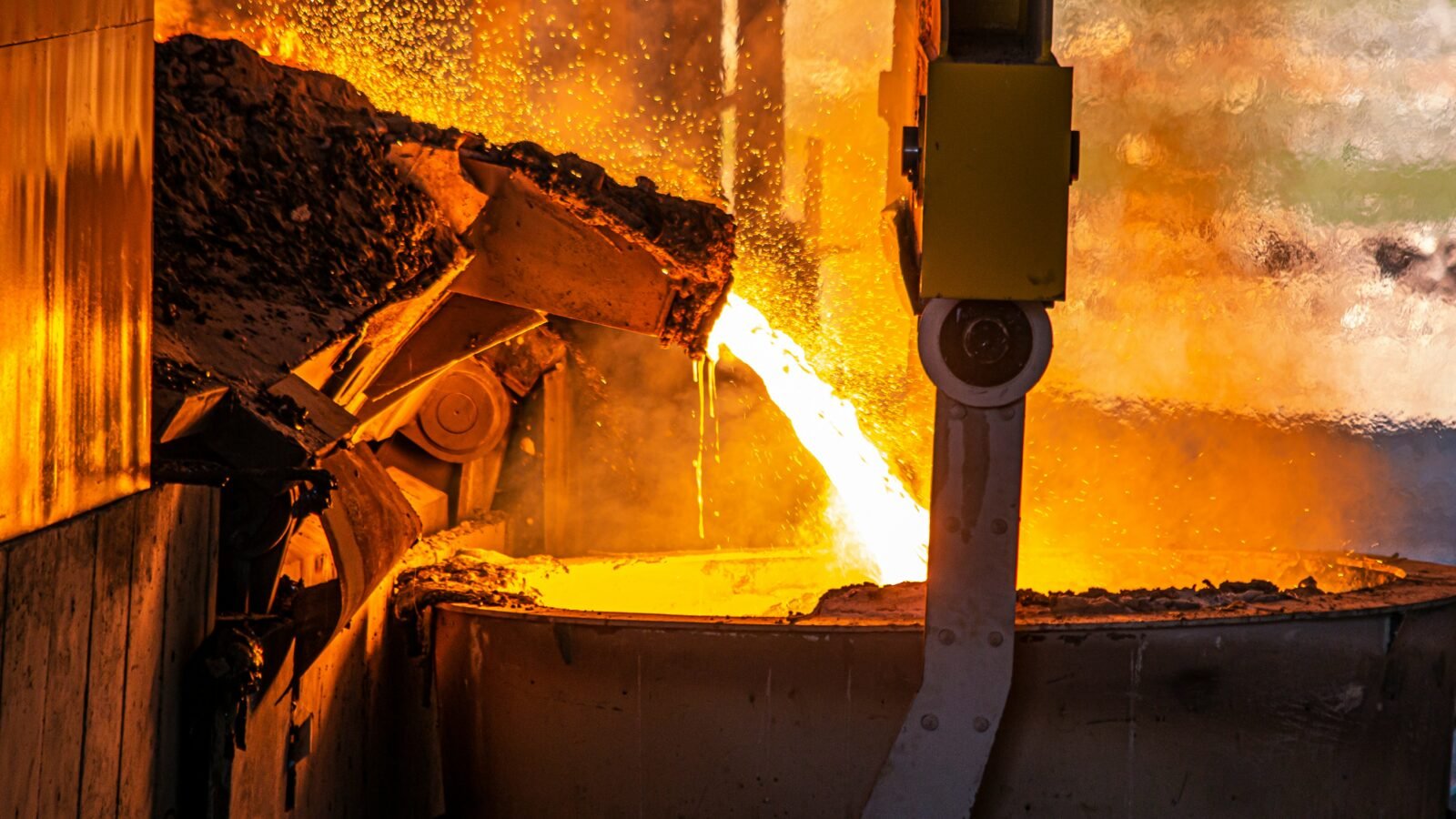
Welcome to our quarterly analysis of the European steel landscape. As we close out the third quarter of 2026, the market finds itself in a transitional phase, caught between tighter trade protections and sluggish downstream demand. Based on the latest data from MEPS, Eurofer, the World Steel Association (worldsteel), and worldstainless, here is a breakdown of where the market stands and where it is heading in Q4.
Q3 Macro Picture: A Fragile Baseline
Despite modest improvements early in the year, the European steel recovery remains structurally fragile. According to Eurofer’s mid-year outlook, apparent steel consumption growth is expected to flatten to just 0.4% for the entirety of 2026. The reality on the ground is that regional demand is still hovering roughly 10 million tons below pre-pandemic levels.
Crude steel production in July 2026 grew by 3.8% year-on-year. The World Steel Association offers a slightly more optimistic regional view, projecting a 1.3% demand growth for the EU and UK throughout 2026, largely driven by increased defense and infrastructure spending. However, both organizations agree that elevated energy costs and weak manufacturing activity continue to act as major headwinds.
Sector Divergence: Automotive vs. Infrastructure
The downstream landscape is heavily fragmented:
- Automotive Drag: The automotive sector remains the primary source of concern for flat steel demand. Persistent weakness in consumer spending and slower-than-expected electric vehicle (EV) uptake have extended the sector's contraction through Q3, keeping auto-grade steel orders depressed.
- Infrastructure Support: On the flip side, long products are finding some stability thanks to steady government infrastructure and defense projects.
Pricing & Trade: The July Quota Effect
The defining market event of Q3 was the July 1st implementation of the EU's new steel market regulation. The new framework is drastically stricter: duty-free import quotas have been slashed by 47% to 18.3 million tonnes, and out-of-quota tariffs have doubled to 50% (Official Journal of the EU).
This is triggering a fundamental rewiring of European supply chains. Rather than simply absorbing the higher import costs, buyers are aggressively shifting their procurement back to domestic mills. According to MEPS International (as reported by Expometals), some major distributors have already inverted their models, moving from 90% import-reliant to 90% locally supplied. In anticipation of this returning demand, major European steelmakers have signaled a highly favorable outlook for the second half of the year, with several preparing to restart idled blast furnace capacity in Q4.
Stainless Steel: Europe Misses the Global Rally
While the global stainless steel sector is experiencing growth, European producers are under severe pressure. Data released by worldstainless in late August reveals a stark regional divergence: global melt shop production rose by 5% in the first half of 2026, fueled by a 6.1% expansion in Asia.
Conversely, European Union stainless steel production contracted by 3.7%, dropping to 2.9 million tonnes. High operational costs and intense international competition are making it increasingly difficult for European stainless mills to capture global growth.
What to Watch in Q4 2026
As we transition into the final quarter, European steelmakers operated at a capacity utilization rate of just over 65% in earlier parts of 2026. Moving forward, profitability will rely heavily on supply-side discipline rather than demand-side miracles.
- Inventory Digestion: Market momentum will depend heavily on the purchasing dynamics resulting from the July quota effect.
- Import Protection: The true test of the new July safeguard quotas will materialize in Q4. If imports successfully retreat, domestic producers will have a crucial window to push for margin recovery through the end of the year.
- Energy Volatility: With geopolitical tensions persisting, sudden spikes in energy prices remain the most significant downside risk to the economy, industrial demand, and mill margins.
Disclaimer: The content provided on this blog is for general informational and educational purposes only. It does not constitute professional financial, investment, legal, or commercial advice.
News: a fact, a source and one sentence on what it means for your plant. The comment is never longer than the news itself.

Secure local supply sources and optimize production processes to reduce costs and protect profits from the impact of import barriers and dynamic energy prices.