
New Regulation (EU) 2026/1929. HS code 7229 20 00 10.
August 11, 2026, marked a structural shift in the European welding consumables market. With the European Commission imposing provisional anti-dumping duties of up to 102.4% on Chinese solid wires for Metal Active Gas Welding (MAG/GMAW - 135) and Submerged Arc Welding (SAW - 12x), the era of ultra-low-cost imports for HS code 7229 20 00 10 has likely ended.
For those managing welding production and supply chains, this isn't just a regulatory update; it is a cost multiplier that demands immediate strategic action.
The End of Cheap "SG2" and "SG3" solid wires?
The immediate casualty of this ruling is the pricing stability of bread-and-butter solid welding wires. The most popular grades like SG2 (G3Si1) and SG3 (G4Si1), which form the backbone of high-volume MAG and semiautomatic/automated welding operations, are heavily impacted.
With landed costs at the EU border essentially doubling for the most affected Chinese manufacturers, European-produced alternatives are becoming the default standard once again. While this measure provides crucial relief and margin protection for domestic European welding wire manufacturers, the underlying cost doesn't simply disappear, it gets passed directly downstream. Because domestic production carries a higher baseline for energy and labor, the overall market floor for welding wire has just been raised.
At the same time, the competitiveness of alternative processes offering better productivity and quality, like general-purpose Metal-Cored Arc Welding (MCAW - 138) and positional Flux-Cored Arc Welding (FCAW - 136), automatically increases.
End-User Challenges and Opportunities
If you are operating in general manufacturing, steel construction, or the automotive sector, you will feel this squeeze acutely. Industries reliant on solid wires now face severe margin compression.
The challenge isn't just financial; it's heavily operational. When a welding consumable's cost doubles, it fundamentally alters the total cost of welding and, ultimately, overall profitability. Procurement teams are now forced to rapidly hunt for alternative sourcing, which creates a massive headache for engineering teams. You cannot simply swap a critical consumable overnight. Under EN ISO standards, moving to a new product, especially if it brings a different classification, may require additional testing and validation, as well as the costly updating of Welding Procedure Specifications (WPS).
However, this disruption creates an opportunity. Particularly when welding thicker plates, now is the ideal time to evaluate switching from MAG (135) to MCAW (138) or FCAW-G (136) to compare productivity and baseline the true total cost of welding.
The Pivot to Alternative Markets
With Chinese imports largely priced out of the market, we are witnessing a rapid geographic pivot. Distributors are currently racing against their own inventory cycles, looking to secondary markets to fill the impending void. Expect to see a surge in import volumes and aggressive market entry strategies from manufacturers in Türkiye, Vietnam, India, and other countries.
However, transitioning to these alternative markets requires careful validation. Engineers must verify long-term feedability, arc stability, copper coating quality, spooling consistency, and weld metal properties to ensure these new wires meet industrial manufacturing standards without causing a drop in weld quality.
Compliance
For companies that still have active contracts with Chinese suppliers who secured the lower, individualized duty rates (around 75%), execution must be flawless. Customs authorities currently have zero tolerance for ambiguity. A single paperwork discrepancy regarding origin tracking or a misapplied TARIC code on a commercial invoice will cause the shipment to automatically default to the maximum 102.4% penalty rate.
Options: What can we do next?
Waiting for a miracle is a luxury most welding companies and suppliers cannot afford. Now is the optimal time to:
- Audit Your Supply Chain: Map your exact exposure to Chinese-origin wire and evaluate your distributor's contingency plans. Read the new regulation carefully (Regulation (EU) 2026/1929) and check your specific trade conditions for 7229 20 00 10 using the EU Trade Assistant.
- Accelerate Testing and Validation: Begin testing wire from alternative origins immediately. Do not wait until your current safety stock runs dry to discover that a new wire causes weld discontinuities or feedability issues.
- Optimize the Process: When consumable costs rise, process efficiency must compensate. It's time to prioritize operator training, parameter optimization, testing more advanced shielding gases, and re-evaluating MCAW (138) and FCAW (136) for positional welding to compare productivity, labor costs, and overall project profitability.
The welding market in Europe just got significantly more expensive and complex. The companies that benefit from this transition will be those that treat their welding operations not merely as a manual necessity, but as an engineered, core, and fully optimized process.
News: a fact, a source and one sentence on what it means for your plant. The comment is never longer than the news itself.
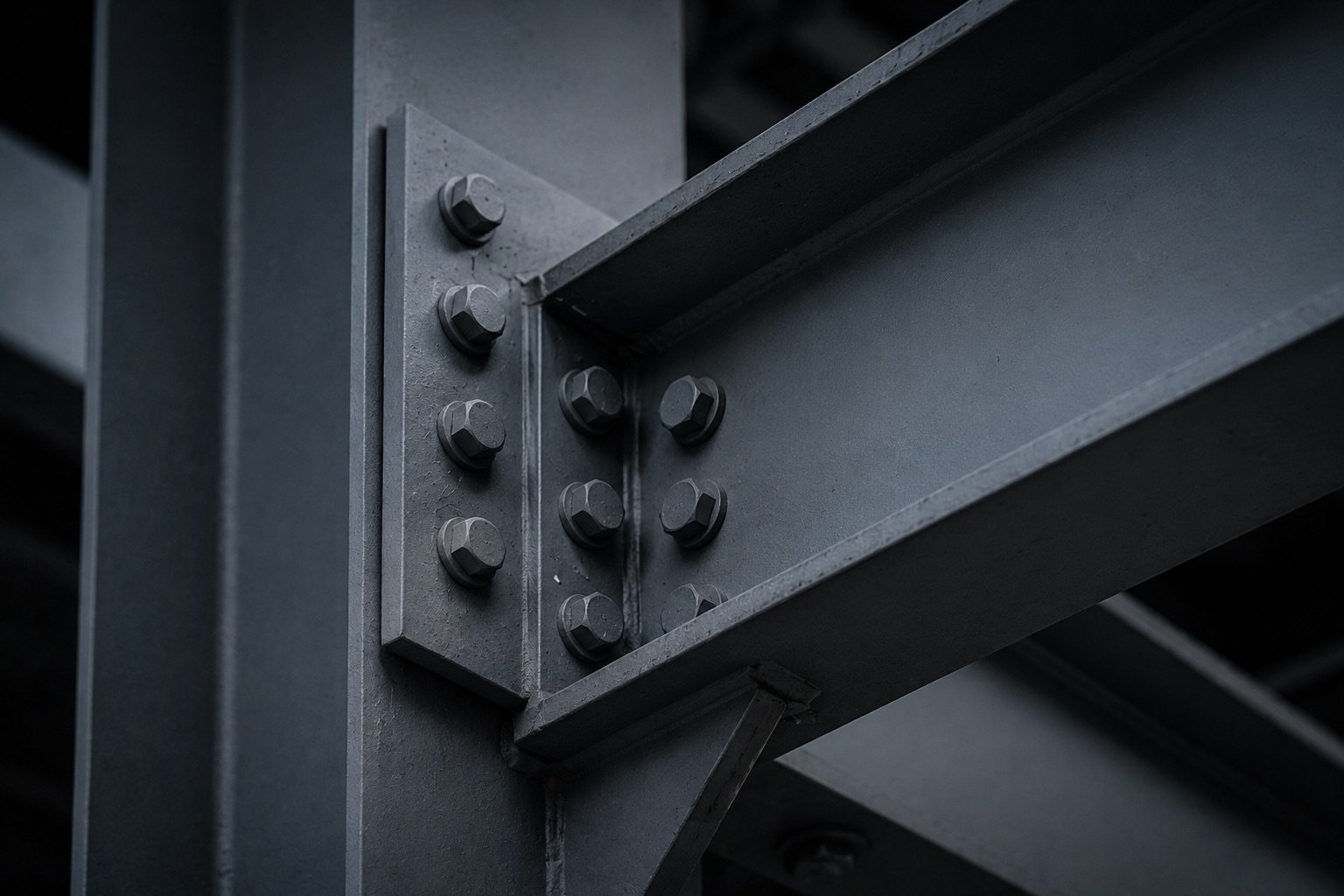
The era of cheaper imports of solid wire for MAG and SAW welding from China, HS code 7229 20 00 10, is probably over for some time.